



A furnace failure in the middle of winter can quickly turn a comfortable home into a cold and inconvenient environment. Although Orange County generally experiences milder winters than many parts of the country, heating systems still need to operate reliably when temperatures drop. Preparing the furnace before heavy seasonal use can help homeowners identify developing problems before they become major breakdowns.
Regular maintenance, proper airflow, thermostat checks, and timely professional inspections all contribute to dependable heating performance. The U.S. Department of Energy recommends routine heating-system maintenance and regular filter care to help maintain efficiency and performance.
Why Furnace Preparation Matters Before Winter
Many furnace problems become noticeable only after the system is placed under sustained demand. A component that appeared to work normally during occasional use may begin struggling when the furnace cycles frequently.
Preparing the system before winter gives homeowners an opportunity to identify worn components, restricted airflow, unusual noises, electrical issues, or ignition problems. Addressing smaller concerns early can reduce the possibility of an inconvenient heating failure when the furnace is needed most.
Start With the Furnace Filter
One of the simplest preventive measures is checking the air filter. A clogged filter restricts airflow, forcing the heating system to work harder and potentially increasing operating time and wear. Department of Energy guidance notes that dirty filters can significantly reduce airflow and increase furnace runtime, motor wear, and energy consumption.
Homeowners should check the filter regularly and replace or clean it according to the furnace manufacturer’s instructions. A replacement filter should also have the appropriate specifications for the particular system rather than simply choosing the highest filtration rating available.
Inspect Vents and Registers
Blocked supply registers can interfere with the distribution of heated air throughout a home. Furniture, curtains, rugs, storage items, and other objects can restrict airflow.
Before winter, walk through the home and make sure supply vents and return grilles are unobstructed. Poor airflow can also result from problems inside the ductwork, so persistent weak airflow should be investigated rather than ignored.
Pay Attention to Warning Signs
A furnace rarely develops a serious problem without showing some indication beforehand. Homeowners should pay attention to changes such as:
- Repeated short cycling
- Unusual rattling, banging, squealing, or grinding
- Weak airflow from vents
- Rooms that remain unusually cold
- Frequent thermostat adjustments
- Unexpected increases in heating costs
- Difficulty starting the furnace
- Unusual odors during operation
A new or persistent symptom does not necessarily identify the exact cause. Professional diagnosis may be necessary because several different components can produce similar symptoms.
Schedule Preventive Furnace Maintenance
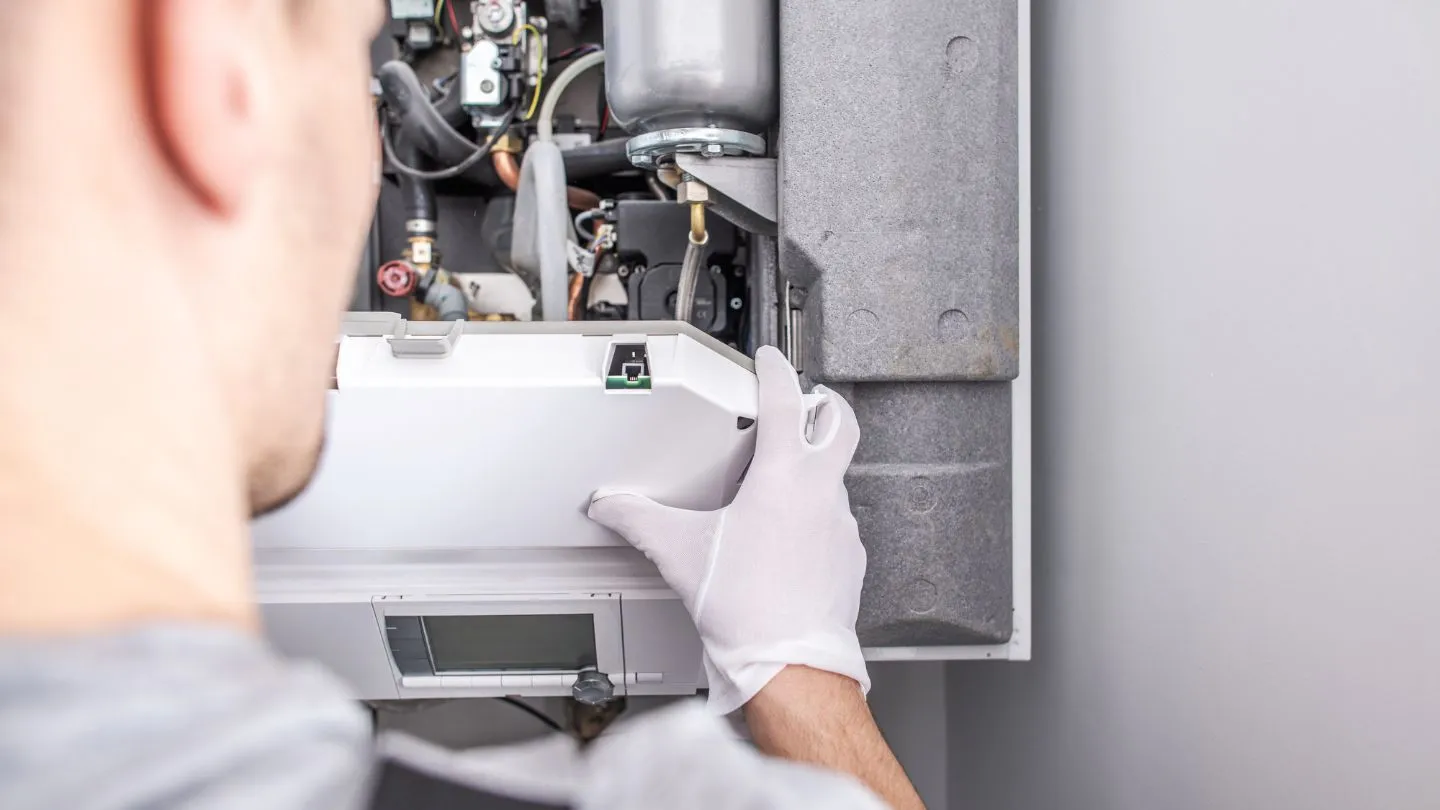
Professional maintenance can identify problems that are difficult for homeowners to detect. Depending on the system, a technician may inspect electrical connections, burners, ignition components, blower operation, heat-exchange components, controls, airflow, and other operating conditions.
The Department of Energy recommends professional maintenance of furnaces or heat pumps annually as part of home energy maintenance.
Scheduling an inspection before the coldest part of the season can also provide more time to address repairs instead of discovering the problem during an emergency.
Check the Thermostat
A thermostat plays an important role in furnace operation. If it is malfunctioning, incorrectly positioned, or experiencing power problems, the furnace may not operate as expected.
Check that the thermostat responds correctly when the temperature setting is changed. If the system has a programmable or smart thermostat, review its schedule before winter and replace batteries when appropriate.
A thermostat problem can sometimes look like a furnace failure, which is why checking the basic controls is worthwhile before assuming the heating equipment itself has failed.
Keep the Furnace Area Clear
The space surrounding a furnace should remain clean and accessible. Avoid storing boxes, cleaning products, paper, clothing, or other combustible materials directly around heating equipment.
Keeping the equipment accessible also makes inspection and servicing easier. Homeowners should follow the clearance and safety requirements specified by the furnace manufacturer.
Don’t Ignore Combustion and Ventilation Concerns
Gas-burning furnaces require particular attention to combustion and venting. Improper venting or combustion conditions can create serious safety concerns, including the potential for combustion gases to enter occupied areas.
The Department of Energy identifies combustion-appliance safety testing, proper venting, and carbon monoxide protection as important home safety measures.
If a homeowner suspects a gas leak, carbon monoxide problem, or serious combustion issue, the furnace should not simply be operated repeatedly in an attempt to determine what is wrong. The appropriate response is to follow local emergency and utility guidance and have the equipment professionally evaluated.
Check the Ductwork for Airflow Problems
Even when a furnace is operating correctly, damaged or poorly sealed ductwork can prevent heated air from reaching rooms efficiently. Leaks, disconnected sections, restrictions, or inadequate return airflow can contribute to uneven temperatures and increased system workload.
The Department of Energy notes that properly sealed ducts and appropriate airflow are important aspects of heating-system performance.
If some rooms remain consistently colder than others, homeowners should consider having both the furnace and duct system evaluated rather than automatically replacing the heating equipment.
Know When Professional Furnace Repair Is Necessary
Basic homeowner maintenance can help prevent some problems, but it should not replace professional repair when a mechanical, electrical, gas, or combustion issue is suspected.
For homeowners searching for furnace repair Orange County, professional service can be particularly useful when the furnace repeatedly shuts down, produces unusual noises, fails to heat properly, or shows other persistent operating problems. Early diagnosis may prevent a minor defect from developing into a more extensive repair.
Consider the Furnace’s Age and Condition
Older heating equipment can require more frequent attention as components wear over time. Age alone does not automatically mean a furnace needs replacement, but it is useful information when evaluating recurring repairs, declining performance, and operating costs.
A professional can compare the condition of the equipment with the likely cost and practicality of continued repairs. If replacement becomes necessary, proper sizing and installation are important because an improperly sized or installed system can experience efficiency and comfort problems.
Create a Simple Winter Furnace Checklist
Before winter heating becomes routine, homeowners can use a simple checklist:
- Check or replace the furnace filter.
- Make sure supply vents and return grilles are unobstructed.
- Test the thermostat.
- Listen for unusual furnace noises.
- Watch for repeated cycling or startup problems.
- Keep the furnace area clear.
- Check accessible ductwork for obvious damage.
- Schedule professional maintenance when needed.
- Make sure appropriate smoke and carbon monoxide alarms are installed and functioning.
- Arrange repairs for persistent problems instead of postponing them.
Final Thoughts
Unexpected furnace breakdowns are not always preventable, but preparation can reduce the likelihood of being surprised by an avoidable problem during winter. Filter maintenance, unobstructed airflow, thermostat checks, professional inspections, and attention to early warning signs can all contribute to more dependable heating.
For Orange County homeowners, preparing the furnace before colder weather arrives is a practical way to improve comfort and reduce the risk of an inconvenient heating emergency. When a problem does appear, timely furnace repair Orange County service can help identify the underlying cause and restore reliable operation before a small issue becomes a larger one.
